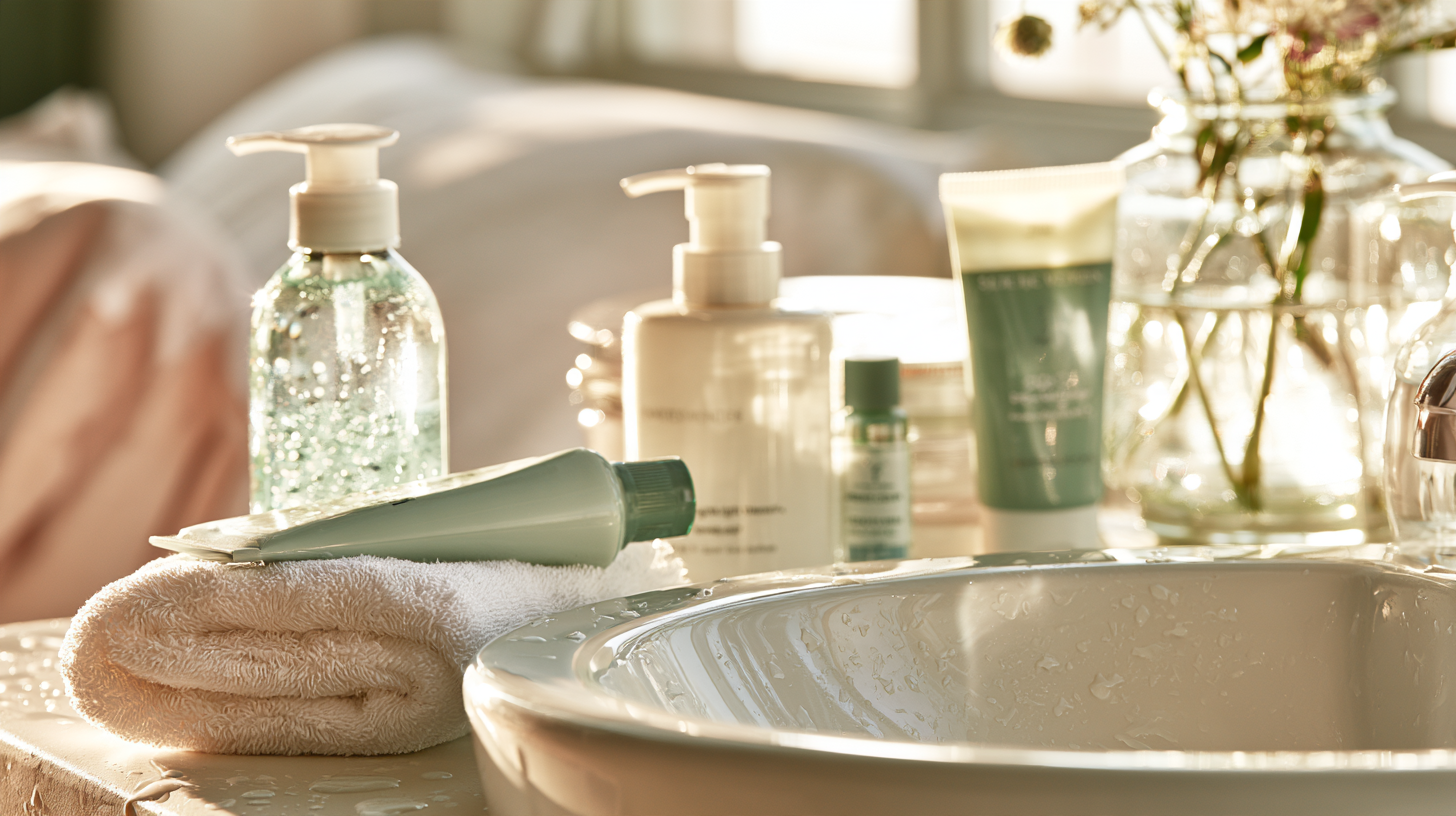
Clearer skin usually comes from doing a few smart things consistently—not from throwing every cleanser, scrub, serum, and spot treatment at your face at once. And that is actually wonderful news, because an effective acne routine can be much simpler than it looks on a crowded bathroom shelf. ✨
I learned this the hard way. One of the biggest mistakes I made was constantly trying new products because I wanted breakouts gone quickly. I scrubbed harder, washed more often, and piled on treatments, only to end up with skin that felt irritated instead of clearer.
What helped most was simplifying everything. Gentle cleansing, keeping my hands off breakouts, moisturizing instead of trying to dry my skin out, and giving a routine enough time to work made far more sense for me than chasing the next quick fix. I also became much more aware of the things that touch my face every day, from pillowcases to other frequently used items.
This daily guide gives you a practical way to build that same kind of steady routine while choosing acne ingredients based on what your skin actually needs. You do not need ten products. You do not need to scrub harder. You do not need to punish your skin into behaving. 🤍
A calm, repeatable routine gives your skin a much better chance to show you what is actually working. ✨
Your Morning Acne Routine: Protect, Treat, and Keep It Gentle
Start the morning with a gentle, non-abrasive cleanser and lukewarm water. Use your fingertips rather than a scrub brush, rough washcloth, or cleansing tool. For most acne-prone skin, washing when you wake up and again before bed is enough, with an extra gentle wash after heavy sweating.
If your skin is very dry or sensitive, you may find that a full morning cleanse is not always necessary. What matters is avoiding the cycle of repeatedly stripping the skin and then trying to calm the irritation you created.
Next comes acne treatment, if your routine includes a morning active. Benzoyl peroxide can be useful for inflamed pimples because it targets acne-causing bacteria. If you are new to it, a lower strength such as 2.5% is often a sensible starting point because stronger is not automatically better and may cause more dryness or irritation.
Follow with a lightweight moisturizer labeled non-comedogenic, oil-free, or “won’t clog pores.” Yes, even oily skin can benefit from moisturizer. Acne treatments such as benzoyl peroxide, salicylic acid, and retinoids can dry the skin, and a comfortable skin barrier makes it easier to stay consistent with treatment.
Finish with a broad-spectrum, water-resistant sunscreen rated SPF 30 or higher. Sun protection matters every day, especially because some acne treatments can make skin more sensitive to sunlight and because inflammation can leave lingering dark marks after a breakout heals.
Your Night Acne Routine: Cleanse, Treat the Acne-Prone Area, Moisturize
Nighttime is where consistency really pays off. Remove makeup before bed, then wash gently with the same mild cleanser you use in the morning. Sleeping in makeup can contribute to clogged pores even when the makeup itself is labeled non-comedogenic.
If your acne is mostly blackheads, whiteheads, or recurring clogged pores, adapalene is one over-the-counter retinoid commonly used for acne. Retinoids help keep pores from clogging and can also reduce inflammation. They are usually used in the evening, and irritation is common when people start too aggressively.
Follow the product directions carefully. A thin layer over the acne-prone area generally makes more sense than repeatedly dabbing medication only on pimples you can already see, because part of acne treatment is preventing the next clogged pore from becoming a visible breakout.
If adapalene feels too irritating, do not pile exfoliating acids, scrubs, or strong toners on top of it. Give your skin room to adjust. A simple moisturizer after treatment can make the routine easier to tolerate, and some people need to begin less frequently before working up to regular use.
Topical retinoids such as adapalene are not recommended during pregnancy. If you are pregnant, trying to become pregnant, or unsure which acne ingredient is appropriate for you, talk with a qualified healthcare professional before starting a medicated routine.
Choose the Acne Ingredient That Matches Your Breakouts
One of the easiest ways to make acne care confusing is to buy products by marketing claims instead of active ingredients. You do not need every acne ingredient at once. Start by matching the treatment to the kind of breakout you see most often.
| Active ingredient | Often useful for | What to know |
|---|---|---|
| Salicylic acid | Blackheads, whiteheads, clogged pores | Helps unclog pores and exfoliate inside the pore. Too much can dry or irritate skin. |
| Benzoyl peroxide | Red, inflamed pimples | Targets acne-causing bacteria. Lower strengths can work with less irritation. It can bleach towels, hair, and fabrics. |
| Adapalene | Blackheads, whiteheads, pimples, recurring clogged pores | A topical retinoid that helps prevent clogged pores. Start gently and protect skin from the sun. Avoid during pregnancy. |
| Azelaic acid | Acne plus post-breakout dark marks | Can help acne while also improving uneven pigmentation left after blemishes. |
Combination therapy can be very effective because acne develops through more than one process. But that does not mean your first day should include four strong actives. Start with a manageable plan, follow label directions, and add only what your skin needs once you know how it responds.
The Habits That Make Acne Worse Even When Your Products Are Good
Acne-prone skin is easy to irritate, which is why “more” so often backfires. Washing repeatedly throughout the day, scrubbing until skin feels squeaky, using harsh astringents, and stacking multiple drying treatments can leave your face red, tight, and uncomfortable without clearing acne any faster.
Picking and popping deserve special attention. Squeezing a blemish can push inflammation deeper into the skin and increases the chance of a lingering dark mark or scar. A hydrocolloid patch can be useful as a physical barrier when the hardest part is simply keeping your hands away.
And please keep toothpaste for your teeth. It is not a balanced acne treatment and can irritate facial skin. Proven acne ingredients are far more useful than kitchen-cabinet or bathroom-sink experiments.
Product hopping can be just as disruptive. I know how tempting it is to try something new when you wake up with another breakout, because I did exactly that. The problem was that I never gave my skin enough quiet time to show me whether the routine was helping.
Keep the Things That Touch Your Face Clean—Without Turning It Into an Obsession
Small hygiene habits can support a good routine, especially when sweat, oil, hair products, or makeup collect on items that repeatedly touch your face. Wash makeup brushes and applicators regularly. Use clean towels. Wash sweaty hats, headbands, helmet liners, and similar gear before reusing them.
One thing I personally started paying more attention to was changing pillowcases and keeping frequently touched face-contact items clean. I do not treat a fresh pillowcase as an acne cure—it is simply one more sensible way to avoid repeatedly pressing oil, sweat, or product residue against freshly cleansed skin.
Hair can matter too. If your hair is oily or coated with styling products, keep it away from acne-prone areas when possible and wash it often enough that oil is not constantly sitting on your forehead, temples, neck, or back.
The goal here is not a perfectly sanitized life. Your skin is not a science experiment. Think clean, reasonable, repeatable habits rather than constant disinfecting.
Give Your Routine Enough Time—and Know When Acne Needs a Dermatologist
Acne treatment works on skin biology, not on our preferred schedule. Some people notice improvement after about four to six weeks, but six to eight weeks is a more useful window for judging whether a consistent over-the-counter routine is moving in the right direction. More complete clearing can take three to four months.
That timeline is one reason patience became such a big lesson for me. Chasing a quick fix usually created more frustration than sticking with a simple routine long enough to evaluate it honestly.
You should not feel obligated to manage every kind of acne on your own. Deep, painful nodules or cysts can scar and deserve professional treatment. A dermatologist is also a good next step when acne is leaving scars or dark marks, keeps returning despite a well-followed over-the-counter plan, or is affecting your day-to-day well-being.
Prescription options can address acne that does not respond to basic care, and severe acne may require treatments that simply are not available over the counter. Getting help earlier can also reduce the chance of permanent scarring.
Questions People Ask About a Daily Acne Routine
Should I wash my face three or four times a day if I have acne?
Usually, no. Washing more often does not automatically remove acne faster, and frequent washing can irritate acne-prone skin. A gentle wash when you wake up and before bed is enough for many people, plus another wash after heavy sweating. Use lukewarm water, your fingertips, and a mild cleanser. If your skin feels tight or squeaky after cleansing, that is a sign to consider a gentler approach rather than washing even more.
Should I use moisturizer if my skin is oily and acne-prone?
Yes, oily skin can still need moisturizer. Acne treatments often cause dryness, peeling, or irritation, and a moisturizer can help your skin tolerate them. Look for a product labeled non-comedogenic, oil-free, or “won’t clog pores.” Apply it after cleansing, and use it whenever your skin feels dry. You are not trying to make acne-prone skin bone-dry—you are trying to keep it comfortable enough to follow an effective routine consistently every day.
What is the best acne ingredient to start with?
It depends on your main type of breakout. Salicylic acid is especially useful for clogged pores, blackheads, and whiteheads. Benzoyl peroxide is a strong choice for inflamed pimples. Adapalene helps prevent clogged pores and treats several types of acne, while azelaic acid can be helpful when acne and post-breakout discoloration happen together. Start with one well-chosen active, follow the label, and resist the urge to introduce several strong products at once.
How long should I use an acne product before deciding it does not work?
Give a consistent routine time. Some improvement may appear around four to six weeks, while six to eight weeks is a practical point for judging progress. Complete clearing can take several months. Switching products every few days makes it almost impossible to know what is helping and can irritate your skin. If you have used an appropriate over-the-counter treatment consistently and acne is not improving, a dermatologist can help you choose the next step.
Does changing my pillowcase help acne?
A clean pillowcase is a reasonable hygiene habit, especially if you have oily hair, sweat at night, or use hair and skin products that transfer to fabric. But changing pillowcases alone is not an acne treatment. Think of it as supporting the real work done by a gentle routine and proven acne ingredients. The same idea applies to towels, makeup brushes, hats, and headbands: keep them reasonably clean, but do not let cleaning rituals replace actual acne care.
Can I use adapalene or other retinoids during pregnancy?
Topical retinoids such as adapalene are not recommended during pregnancy. Pregnancy changes which acne treatments are appropriate, so this is a time to get individualized medical guidance instead of experimenting with an over-the-counter routine on your own. If you are pregnant, trying to become pregnant, or breastfeeding, tell your healthcare professional which skincare products and active ingredients you use so they can help you build a safer, personalized treatment plan.
When should I see a dermatologist instead of treating acne at home?
See a dermatologist when acne is deep, painful, cystic, or nodular; when it is causing scars; when it keeps returning despite consistent over-the-counter treatment; or when you are not sure what kind of acne you have. Professional help is not reserved for “bad enough” skin. A dermatologist can match treatment to the type and severity of acne and help prevent unnecessary irritation, prolonged breakouts, and permanent scarring over time too.
Clearer Skin Comes From Consistency, Not Punishment
The biggest shift in an effective daily guide to clear skin is surprisingly simple: stop treating acne like something you have to scrub, strip, or attack into submission. Cleanse gently, choose acne ingredients with a purpose, moisturize, protect your skin from the sun, and keep the routine steady long enough to judge it fairly. That approach may feel less dramatic than a shelf full of treatments, but it gives your skin a much calmer environment to improve. It also makes it easier to tell what is helping and what is causing irritation.
My own biggest lesson was patience. Clearer skin was not an overnight change, and the quick-fix chase usually made things more frustrating. A simple routine gave me something far more useful: consistency. Keep your expectations realistic, pay attention to how your skin responds, and get professional help when breakouts are deep, scarring, persistent, or difficult to manage. You are building a routine you can actually live with, one day at a time—and that is where real progress gets a chance to happen. 🤍